Flying private doesn't always mean paying for an entire jet at full price. There are several ways to bring the cost down — some trade flexibility for savings, others share the aircraft with other travelers. Here are the main options, roughly from lowest to highest cost, and the catch that comes with each.
1. Buy a seat, not a jet
Semi-private and per-seat services sell individual seats on flights that depart from private terminals. You get a smaller aircraft, fewer passengers and shorter check-in, without paying for every seat yourself. Fares on some routes are set to compete with premium airline tickets.
The catch: they serve set routes and schedules, and you share the cabin with strangers. See how the main services compare in our semi-private flights guide.
2. Take an empty leg
When an aircraft has to fly empty to pick someone up or return home, the operator may sell that leg at a discount. You get the whole aircraft for less than a normal charter.
The catch: the original customer controls the timing, and the flight can move or be canceled at short notice. Read how empty legs work, how to find them and which companies publish them.
3. Choose the smallest aircraft that fits
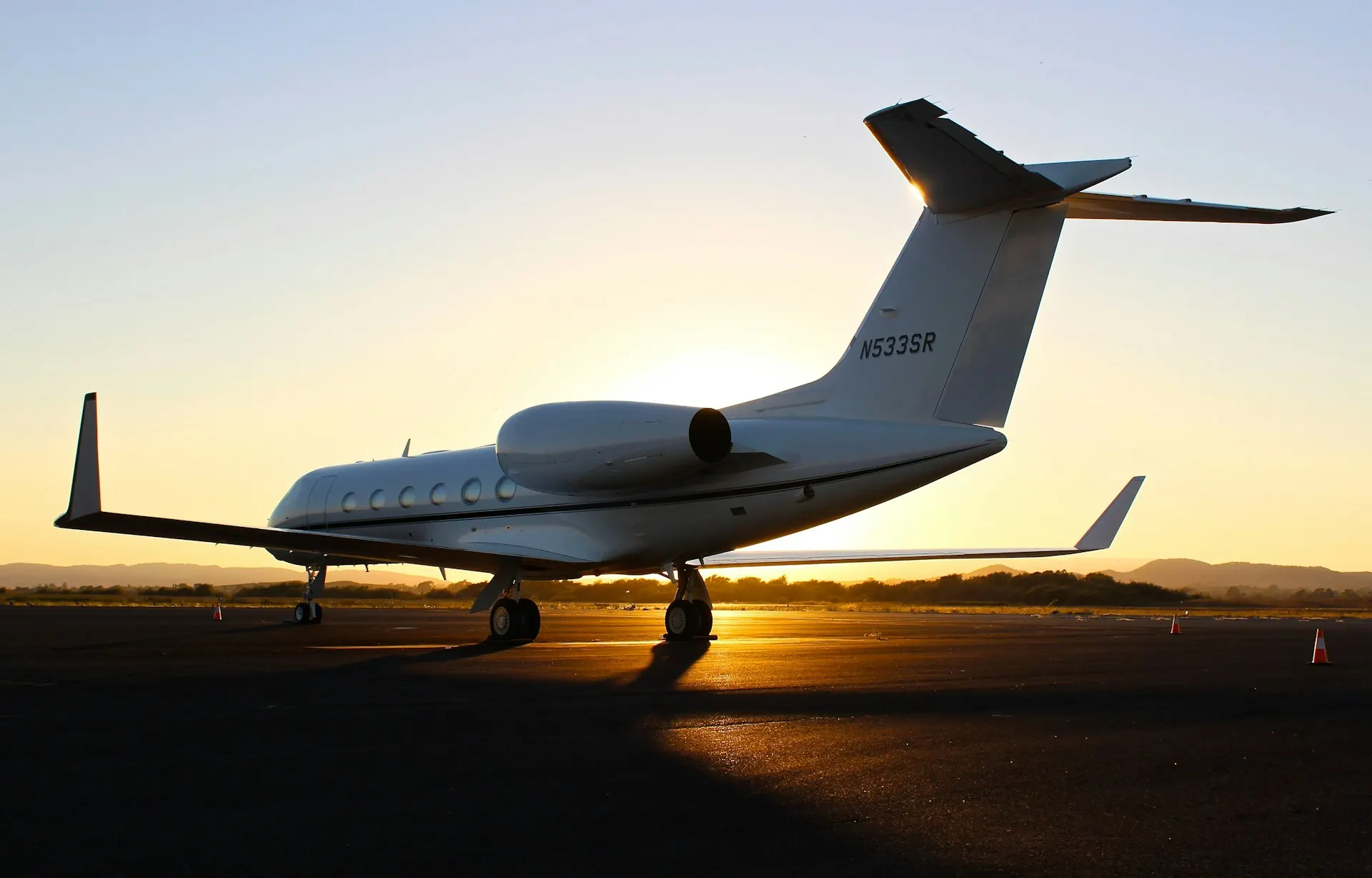
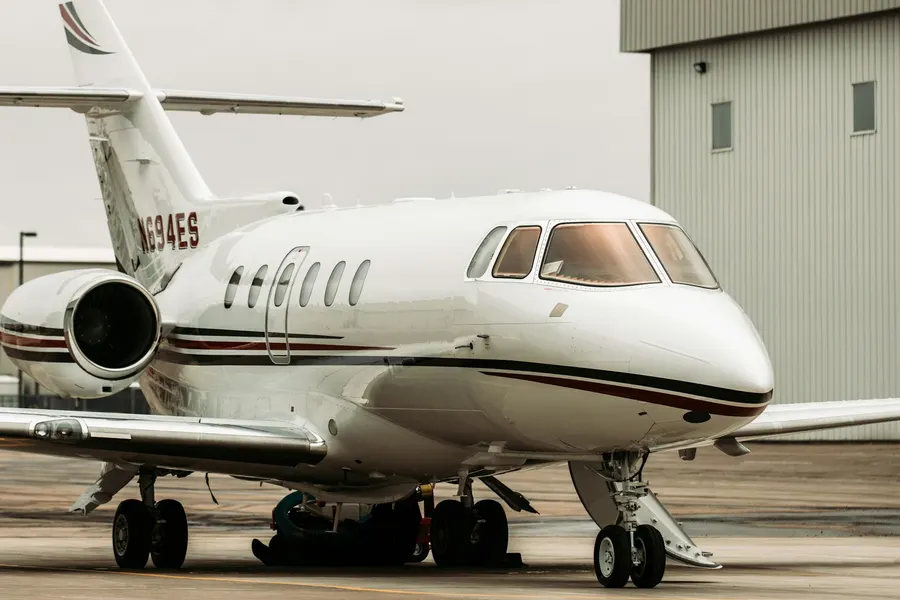
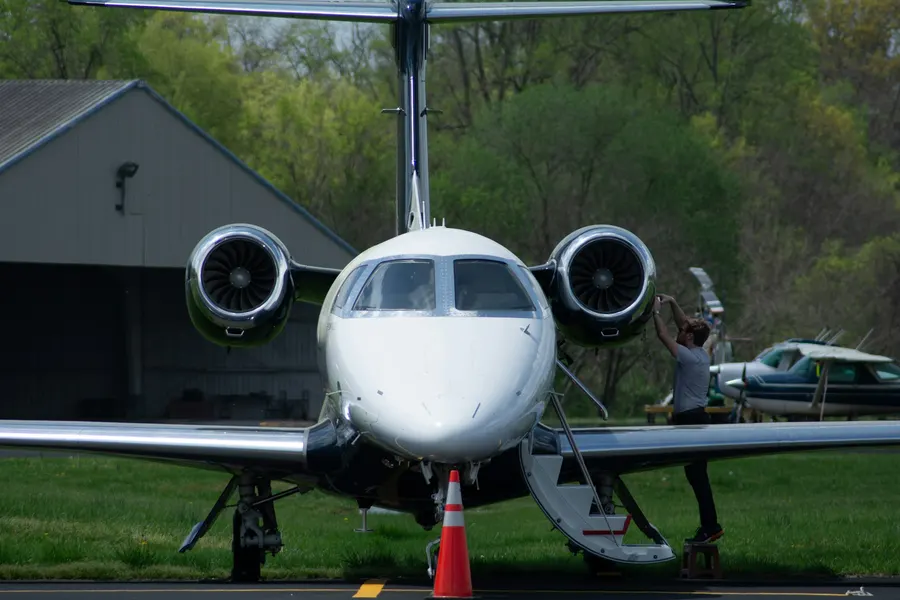
Hourly rates rise steeply with aircraft size. On a short trip, a turboprop or light jet can cost a fraction of a midsize or larger jet:
| Category | Typical seats | Indicative hourly rate |
|---|---|---|
| Turboprop | 6–9 | $1,800–3,000 |
| Light jet | 5–8 | $4,000–6,000 |
| Midsize jet | 7–9 | $5,000–8,000 |
| Super-midsize jet | 8–10 | $7,000–10,000 |
The catch: smaller aircraft have less cabin height, less baggage space and shorter range. Share your baggage list before you book, and see private jet cost per hour for model-level rates.
4. Fill every seat
Charter is priced per aircraft, not per person. A light jet that costs about $12,000–18,000 one way from New York to Miami is $3,000–4,500 each for four travelers, and $2,000–3,000 each for six — if the aircraft can carry six with their bags. Try different group sizes in the cost calculator.
The catch: more people means more luggage, and weight limits can reduce range on smaller jets.
5. Avoid paying for empty repositioning
A one-way charter often includes the aircraft's empty flight home. Operators with an aircraft already near your departure or destination can quote much less. Being flexible on nearby airports helps too. Our guide to one-way vs. round-trip costs explains how to structure a trip.
6. Be flexible on dates and times
Holidays, major events and peak ski or winter-sun weekends push prices up and reduce choice. Flying a day earlier, midweek, or at off-peak hours often lowers the price and widens the choice of aircraft.
7. Memberships and jet cards (for regular flyers)
If you fly 25 hours or more a year, a jet card or membership can lower your average cost by removing repositioning charges and fixing hourly rates. Some memberships also unlock member-only pricing on shared flights or empty legs.
The catch: they require a deposit or annual fee, and peak-day rules matter. Compare published entry costs in private jet membership costs.
What not to cut
Don't trade safety for price. Whatever the deal, confirm the operator's name and FAA certificate, and check which third-party safety audits it holds. Our guide on how to choose a charter company lists what to ask. Be wary of any offer where you cannot tell who is actually operating the flight.
Bottom line
For one or two travelers, a per-seat flight or a well-timed empty leg is the most affordable way to fly private. For groups, the biggest savings come from choosing the right-sized aircraft, filling the seats and avoiding empty repositioning.
Frequently asked questions
What is the cheapest way to fly on a private jet?
Buying a single seat on a semi-private or shared flight is usually the cheapest, because you share the aircraft cost with other passengers. For chartering a whole aircraft, a flexible empty leg or a turboprop on a short trip is typically the lowest-cost option.
Can you fly private for the cost of a commercial ticket?
Sometimes, on specific routes. Per-seat services and shared charters can price some flights close to premium airline fares, and a full light jet split between several people can come close to business-class fares on short trips. A whole jet for one or two people will cost far more than an airline ticket.
Are cheap private jet deals safe?
Price is not a safety signal either way, but always confirm who operates the flight, that it runs under an FAA Part 135 or Part 121 certificate, and which safety audits the operator holds. Be wary of any deal where you cannot identify the operator.