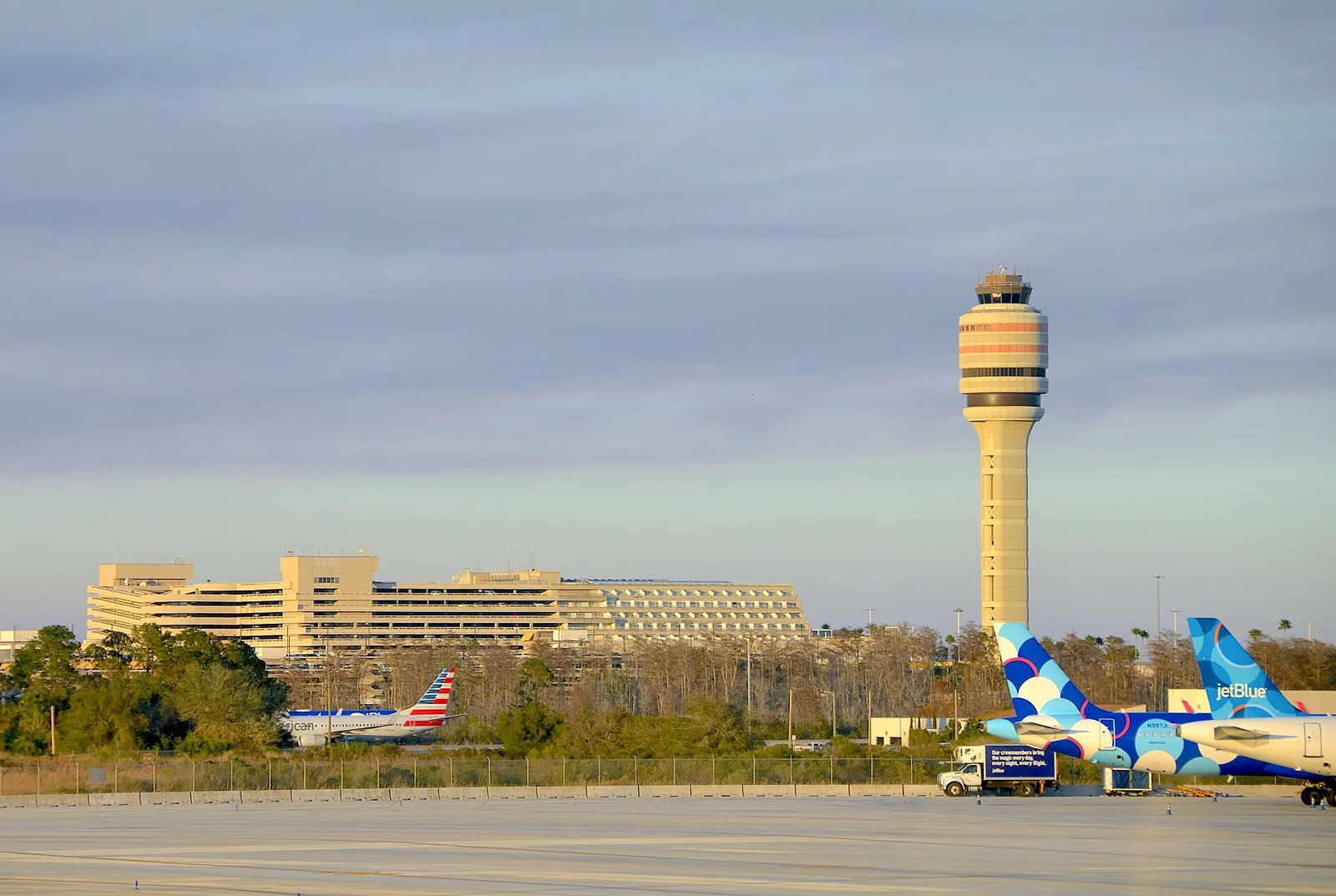
The Government Accountability Office (GAO) says the FAA's plan to replace the nation's air traffic control system is missing two basic planning tools. In a report published September 14, 2026, GAO said the agency has no reliable estimate of the program's total cost and no single schedule for the work.
What GAO found
The program is called the Brand New Air Traffic Control System (BNATCS). Congress set aside $12.5 billion for it in July 2025. Phase 1 is supposed to be finished by December 2028 and covers communications, surveillance, weather and training systems. GAO's main findings:
- Costs: The FAA gave auditors rough Phase 1 cost figures in June 2026 but could not provide the analysis behind them. The estimates leave out major government and operating costs.
- Schedule: Instead of one master schedule, the FAA is tracking 11,389 separate project schedules. GAO warned that this could lead to poorly coordinated installation work.
- Phase 2: GAO says the second phase needs about $10.2 billion and has no set start or finish date.
- Progress: As of May 2026, the FAA had replaced 2,560 of 5,170 aging copper lines with fiber.
GAO recommended that the FAA make a full lifecycle cost estimate and a detailed master schedule for Phase 1 its top priorities. The report says the Department of Transportation partly agreed. AVweb noted that FAA Administrator Bryan Bedford has separately told lawmakers that Phase 1 will cost about $16 billion, more than Congress has provided so far.
Why it matters
Airlines and private jets fly in the same airspace, so equipment outages and controller staffing problems affect both. Delays and flow restrictions at busy business aviation airports such as Teterboro often come from problems in the wider air traffic system. Newer radios, radar and data links should make the system more reliable over time. GAO's concern is that without better cost and schedule planning, the program could repeat the overruns and delays of earlier modernization efforts. Business aviation groups, including NBAA, have backed modernization while opposing any move to privatize air traffic control.
For operators, nothing changes right away. Congress will likely be asked for more funding. For current conditions at a major New York-area business aviation airport, see our Teterboro guide.