Your first private flight is simpler than an airline trip, but a little preparation makes it smoother. Use this checklist in the days before departure and on the day itself. Your operator or broker may have extra requirements, so follow their instructions first.
A few days before
- Confirm the date, departure time, and airports with your provider.
- Get the name and address of the departure FBO, the private terminal your flight uses. Large airports can have several.
- Send passenger names exactly as they appear on ID, plus any other details your provider requests.
- Share the number and size of bags, and any special items such as golf clubs, skis, or strollers.
- Place catering orders and note dietary needs.
- Tell the operator about pets, medical equipment, or mobility needs.
- Arrange ground transportation to the FBO and at your destination.
- Review your agreement for cancellation terms and weather policies.
If you are still choosing a flight, start with how private jet charter works.
The day before
- Reconfirm the departure time and FBO with your provider.
- Save the provider's and FBO's phone numbers in your phone.
- Check the weather at both ends of the trip and ask how the operator handles weather delays.
- Charge phones, tablets, and headphones the night before.
- Confirm your ride to the FBO, allowing extra time for traffic.
ID and documents
- Valid government-issued photo ID for every adult passenger on domestic flights.
- Passports, and any required visas, for international trips.
- Documents for minors traveling with only one parent or with other adults, if your destination requires them.
- Pet health and travel paperwork, if applicable. See flying private with pets.
Airline rules for passengers are published by the TSA, and while private charter procedures differ, carrying acceptable ID is a sensible habit. For international travel, check entry requirements well ahead.
Packing and baggage
- Use soft-sided bags when possible; they fit baggage compartments more easily than rigid cases.
- Stay within the baggage limits your provider gave you. Smaller jets have limited space, and weight affects flight planning.
- Keep medications, chargers, and valuables in a small bag at your seat.
- Do not pack hazardous materials. Operators restrict items such as certain batteries, flammable liquids, and compressed gases.
- Declare any firearms in advance; operators have their own policies, and laws vary by destination.
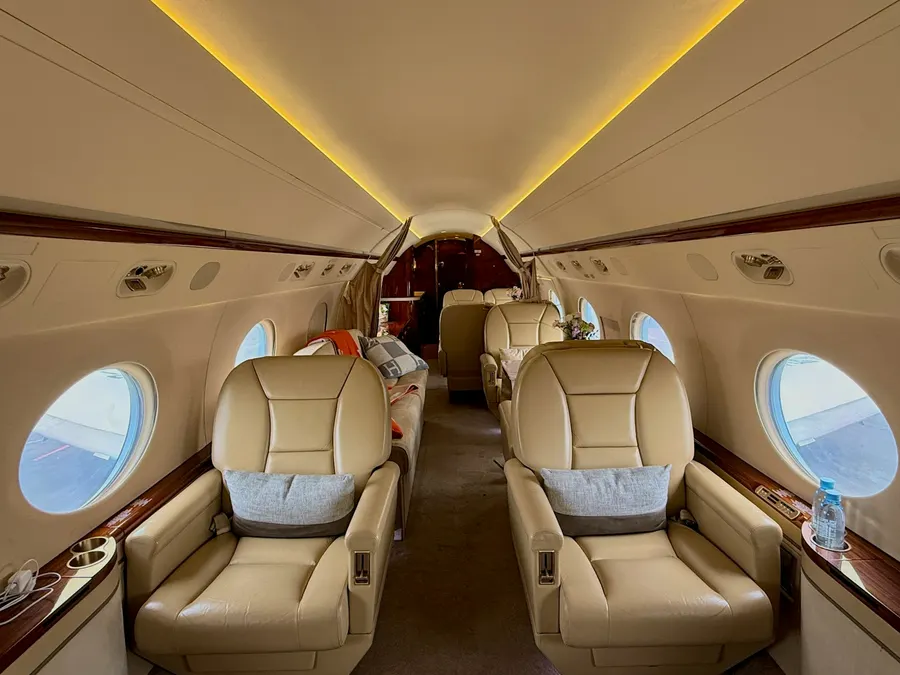
- Bring a layer. Cabin temperatures can vary.
What to wear
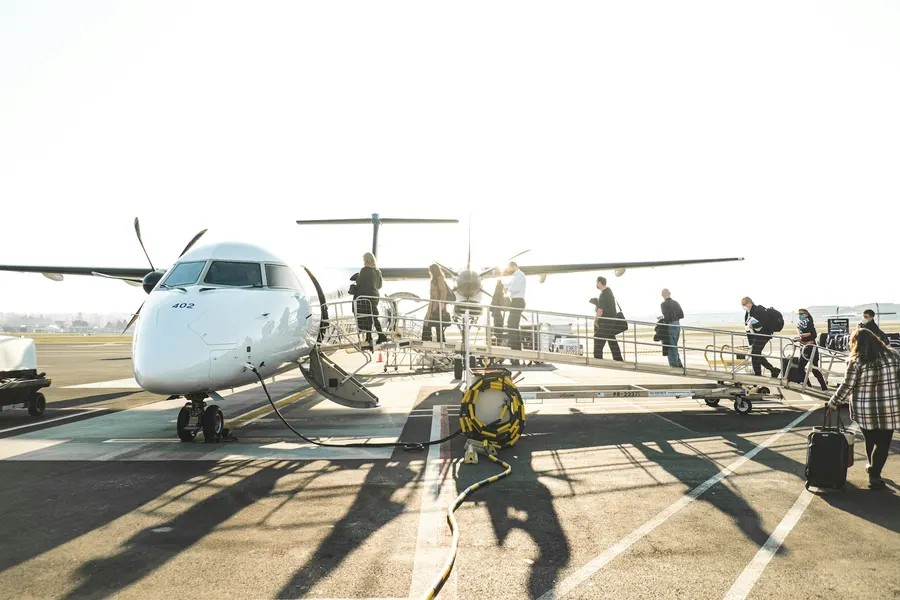
There is no dress code on most charters. Comfortable clothing and shoes that are easy to walk in work well, since you may walk across a ramp and climb aircraft stairs. Keep a jacket handy for cold ramps in winter or chilly air-conditioned cabins in summer.
The day of your flight
- Check your messages for any schedule updates from your provider.
- Confirm the FBO address in your navigation app, not just the airport name.
- Plan to arrive about 15 to 30 minutes before departure, or earlier if asked. International flights may need more time.
- Tell your provider right away if you are running late. Crews can often wait, but delays can affect crew duty limits and costs.
- Have your ID ready at check-in.
If someone is dropping you off
Friends or drivers can usually wait in the FBO lounge, but they generally cannot go onto the ramp without permission. Say your goodbyes inside and let staff guide you to the aircraft.
Many FBOs offer coffee, water, and snacks in the lounge, and some have conference rooms or quiet areas for work. If you arrive early, you can usually wait there comfortably.
At the FBO
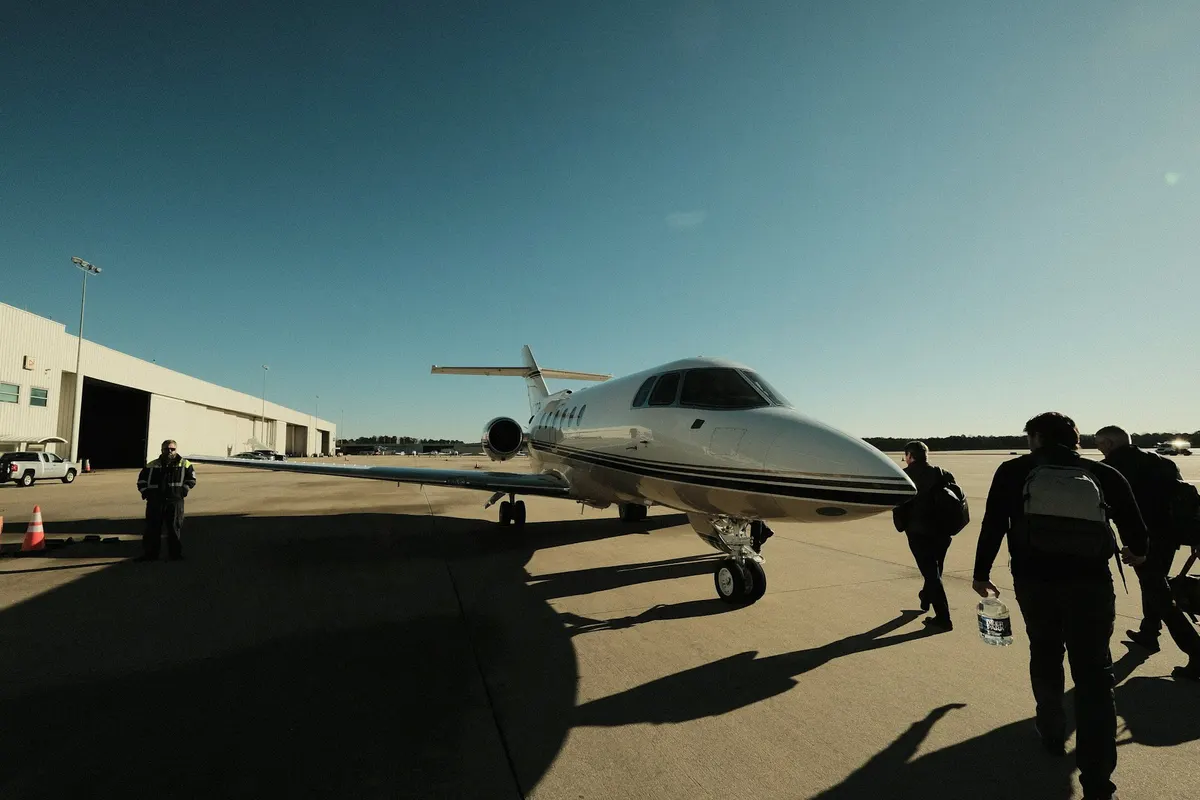
An FBO, or fixed-base operator, provides services for private aircraft and passengers, typically with a lounge, restrooms, and staff who help with bags and vehicles. You check in at the front desk, and staff will let the crew know you have arrived.
- Give the desk your name and the operator or tail number.
- Let staff handle baggage loading unless the crew asks otherwise.
- Ask whether your vehicle can be brought close to the aircraft; this depends on the airport and FBO.
- Use the restroom before boarding, especially on smaller jets without an enclosed lavatory.
You can look up airports and FBO information in our airports section.
On-board etiquette
- Listen to the safety briefing and keep your seatbelt fastened when seated.
- Follow crew instructions; the pilot in command has final authority on safety.
- Ask before rearranging cabin items or using the galley.
- Keep noise and phone calls considerate if others are traveling with you.
- Be respectful of the aircraft; it is often someone else's property.
Traveling with kids
Bring snacks, headphones, and a few quiet activities. Children should stay seated with belts on when the crew asks. Ask the operator in advance about car seats and whether they can be installed in the cabin.
After landing
- Wait for the crew to open the door and confirm it is safe to disembark.
- Check your seat area for phones, glasses, and chargers.
- Confirm bags have been unloaded before leaving the ramp.
- Review your final invoice when it arrives and ask about any unexpected charges.
After one trip, most travelers find the process quick and easy. Save your notes so the next booking is even simpler.
Frequently asked questions
Do I need to go through TSA security for a private charter?
Passengers on most private charter flights from FBOs do not go through standard TSA airline checkpoints, though some larger aircraft operations have their own screening requirements. Your crew will check ID and may ask about baggage.
Can I bring liquids on a private jet?
Airline carry-on liquid limits generally do not apply the same way on private charters, but operators still restrict hazardous materials. Ask your operator about specific items.
Should I tip the crew?
Tipping is not required. Some travelers choose to thank the crew or FBO staff, and your provider can tell you whether its crews accept gratuities.